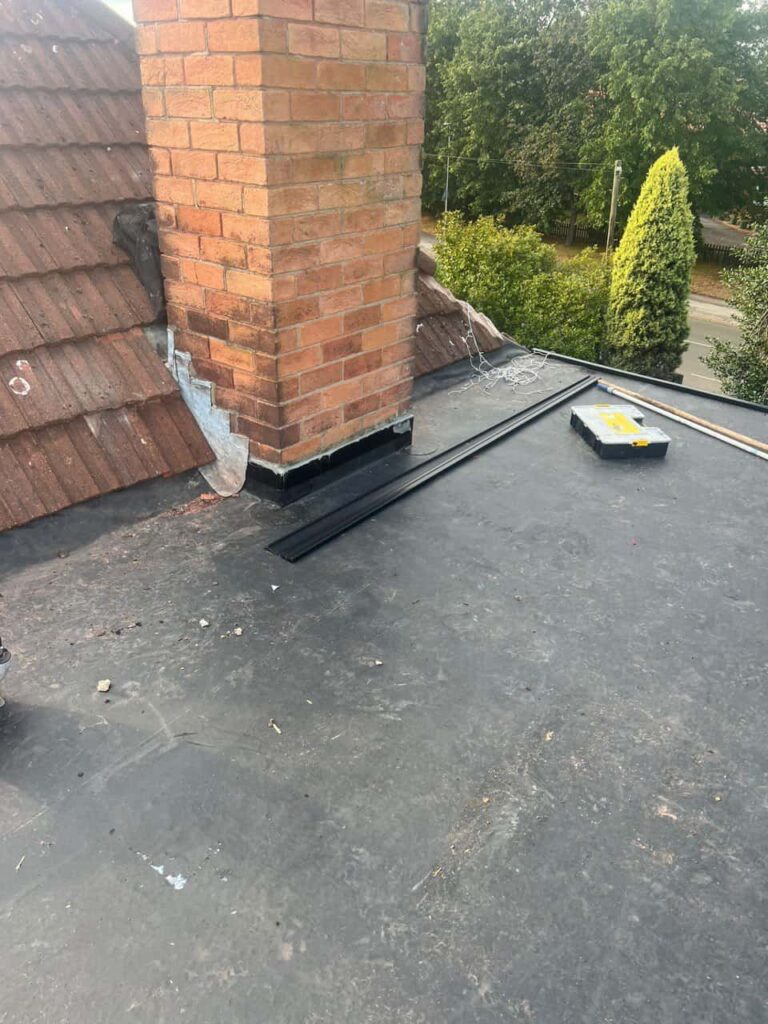
A roof leak that reappears after repair work can be frustrating, particularly when the affected area initially seemed dry. However, a returning leak does not always mean that the repaired component has failed. Roofs are made up of interconnected materials, and water can enter at one point before travelling some distance from its source.
Recurring leaks may also indicate that the visible defect was only one part of a wider problem. Establishing the precise route of the water is therefore essential before further repairs are completed.
Common Reasons Roof Leaks Return After Repairs
A roof repair is most dependable when it addresses both the point of entry and the underlying cause. If only the obvious symptom is treated, moisture may continue to enter through another weakness.
Common reasons for a recurring leak include:
- Water entering from a different part of the roof
- More than one defect being present
- Deteriorated underlay beneath otherwise sound tiles
- Loose or damaged flashing around a roof junction
- Cracked mortar around ridges, verges or chimney details
- Blocked drainage causing water to collect or overflow
- Worn materials surrounding the original repair
- Wind-driven rain finding a small gap that is normally protected
The timing and direction of rainfall can influence whether a defect leaks. A repaired roof may remain dry during light vertical rain but allow water to enter when wind pushes it beneath tiles, flashing or other overlapping materials.
The Visible Damp Patch May Not Be Beneath the Defect
Water rarely travels in a perfectly straight line through a roof. Once it passes the outer covering, it may follow the underlay, battens, rafters or other timbers before reaching the ceiling.
The damp mark inside the property may consequently appear some distance from the actual opening. Treating the section directly above the stain without tracing the water’s route can leave the original entry point untouched.
Moisture may also collect within the roof space before becoming visible. This can make a new leak appear to be a continuation of the previous one, even when water is entering through a separate defect.
Several Defects May Be Allowing Water to Enter
It is possible for a roof to have more than one source of water ingress. For example, a cracked tile may be replaced correctly while deteriorated flashing nearby continues to admit moisture. The first repair may resolve one route without addressing the second.
This is more likely where roofing materials have weathered across a wider area. Tiles, fixings, mortar, underlay and leadwork can deteriorate at different rates. A focused repair can remain sound while an adjacent component begins to fail.
A careful assessment should therefore examine the materials surrounding the reported leak rather than inspecting only the previously repaired section.
Deteriorated Underlay Can Complicate Leak Repairs
The underlay beneath tiles or slates provides a secondary layer of protection. When it remains in good condition, it can help direct incidental moisture towards the eaves. As underlay ages, it may become brittle, torn or unable to perform effectively.
If water passes beneath the outer covering, damaged underlay can allow it to reach the roof structure and interior. Replacing a tile may reduce exposure, but a larger section may need attention if the supporting underlay has deteriorated.
Battens should also be inspected. Damp or weakened battens can affect how securely tiles are held, potentially allowing further movement and creating additional gaps.
Roof Junctions Require Detailed Inspection
Many persistent leaks originate around areas where different roofing materials meet. Chimneys, valleys, roof windows, abutments, ridges and changes in roof level all depend on carefully formed weatherproof details.
A small split, lifted edge or failed joint can admit water without being obvious from ground level. Valleys and gutters can also retain debris, preventing rainwater from draining freely and directing it beneath surrounding materials.
Repairing these areas successfully requires identifying how water moves across the roof during rainfall. Replacing nearby tiles alone may not resolve a problem originating from flashing, mortar or drainage details.
Why the Roof Should Be Checked Under Different Conditions
Some roof leaks occur only during particular weather. Wind direction, rainfall duration and the volume of water passing over the roof can all affect where moisture enters.
Useful information for an inspection includes:
- Whether the leak appears during light or heavy rain
- How long rain falls before damp becomes visible
- Whether the problem occurs only when it is windy
- Where the internal staining first appears
- Whether the affected area has moved or increased
- Which repairs have already been completed
These observations can help distinguish between a repair that requires further attention and a separate defect elsewhere on the roof.
How Professional Leak Detection Helps
Effective leak detection involves assessing the entire route of the water rather than covering the internal damp mark or replacing the nearest visible tile. The inspection should consider the outer covering, flashing, mortar, underlay, battens and drainage points.
At TRP Roofing Withernsea, we assess the reported leak alongside the wider condition of the roof. This helps us determine whether the original repair requires adjustment, another defect is present or deterioration has spread beyond the initially affected area. The aim is to recommend work based on the actual cause rather than assumptions.
Conclusion
Roof leaks can return after repair work when water is travelling from another location, several defects are present or hidden materials beneath the covering have deteriorated. Changes in wind and rainfall can also expose weaknesses that were not apparent during earlier conditions.
If a roof leak has returned at your property in Withernsea, East Riding of Yorkshire, contact TRP Roofing Withernsea to arrange a professional assessment. Tracing the source carefully provides the best basis for a focused and dependable repair.
Call us on: 01964 770 374
Click here to find out more about TRP Roofing Withernsea
Click here to complete our contact form and see how we can help with your roofing needs.