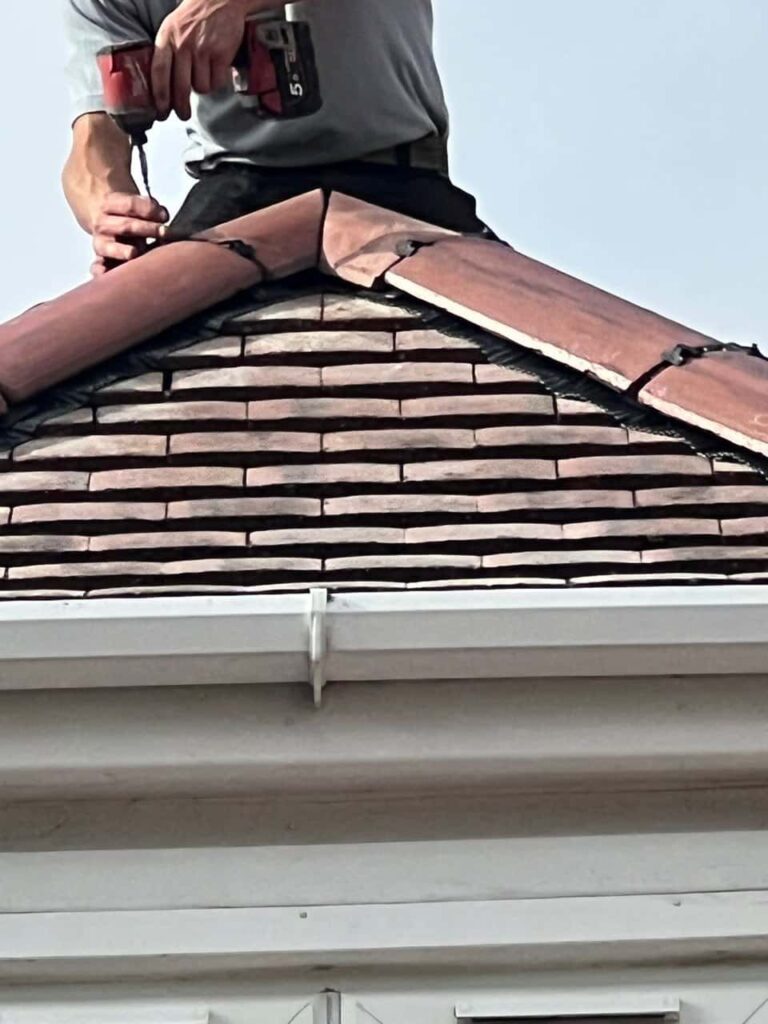
Slipped roof tiles are one of the most common issues affecting homes in Withernsea and across the East Riding of Yorkshire. Strong coastal winds, rain, and natural ageing can all contribute to tiles shifting out of place. While many homeowners may view a slipped tile as a minor inconvenience, it is often a sign that the fixings beneath are failing or have been compromised.
Proper fixings are essential for keeping a tiled roof secure, stable, and watertight. Understanding their importance can help homeowners appreciate why professional installation and maintenance make such a significant difference.
Fixings Hold the Roof System Together
Roof tiles are designed to interlock, but they rely on secure fixings to stay firmly attached to the battens beneath. Without strong fixings, tiles become vulnerable to movement, lifting, or slipping.
Proper fixings ensure:
- Each tile is anchored securely
- Tiles remain aligned during strong winds
- Weight is distributed evenly across the roof
- Long-term structural stability
Fixings are the foundation of a well-performing tiled roof.
Prevents Wind Uplift in Coastal Areas
Withernsea’s coastal location means properties are frequently exposed to wind conditions stronger than those experienced inland. Improper or ageing fixings make tiles far more susceptible to wind uplift.
Secure fixings help:
- Prevent tiles lifting during storms
- Maintain a solid, interlocked surface
- Reduce the number of repairs required after bad weather
- Protect vulnerable areas such as ridges and edges
Without proper anchorage, even a single wind event can cause widespread tile movement.
Reduces the Risk of Leaks and Water Damage
A slipped tile creates an immediate gap in your roof’s protective barrier. Even a slight opening can allow water to penetrate the underlay, battens, and eventually the interior of your home.
Strong fixings prevent:
- Tiles from creating gaps
- Water from entering beneath the roofing layer
- Damp patches forming inside the property
- Long-term structural decay
Keeping tiles firmly in place is one of the most effective ways to avoid water ingress.
Prevents Tile Movement Caused by Ageing and Weather
Fixings naturally deteriorate over time. Screws, nails, or clips may corrode, loosen, or lose their grip as the roof ages. Temperature changes can also cause materials to expand and contract, placing extra pressure on fixings.
Upgrading or maintaining proper fixings helps:
- Support older roofs
- Reinforce areas prone to movement
- Keep tiles locked in their correct position
- Extend the life of the entire roof system
This proactive approach prevents minor issues from turning into widespread failures.
Ensures Even Weight Distribution Across Tiles
A well-fixed roof works as a unified system, with weight shared across tiles and battens. When fixings fail, this balance is lost, and certain areas experience more strain than others.
Proper fixings maintain:
- Equal load-sharing
- Reduced stress on vulnerable tiles
- Consistent pressure across the roof structure
- Improved long-term performance
Even distribution is essential for both durability and safety.
Supports Professional Roof Repairs and Maintenance
When roof tiles are securely fixed, future repairs and inspections can be carried out more efficiently. A roof that has been properly installed with the correct fixings is less likely to suffer from repeat issues.
Benefits include:
- Fewer recurring slipped tiles
- More predictable roof behaviour
- Better performance in adverse weather
- A stable base for any repairs or upgrades
Good fixings reduce ongoing maintenance needs and help protect your home more effectively.
Critical for Areas Around Roof Edges and Vulnerable Points
Certain parts of the roof are more likely to experience movement, including:
- Ridges
- Verges
- Valleys
- Eaves
These areas require particularly strong and reliable fixings to ensure tiles remain firmly in place. A roof installed with inadequate fixings will almost always show problems in these zones first.
Conclusion
Proper fixings are essential for keeping roof tiles secure, preventing movement, and protecting your home from water damage and weather-related issues. For homeowners in Withernsea, where coastal conditions place added pressure on roofing systems, ensuring tiles are correctly fixed is crucial for long-term performance.
If you are concerned about slipped tiles or want peace of mind that your roof is secure, TRP Roofing Withernsea can provide professional inspections and reliable repair services. Contact us today to ensure your roof remains safe, stable, and weather-resistant all year round.
Call us on: 01964 770 374
Click here to find out more about TRP Roofing Withernsea
Click here to complete our contact form and see how we can help with your roofing needs.